Unveiling the Invisible: The Ultimate Guide to UV Cameras
In the world of photography and industrial imaging, we are usually limited by what the human eye can see — the visible spectrum. But there is an entire world of data and beauty hidden just beyond the violet edge of a rainbow.
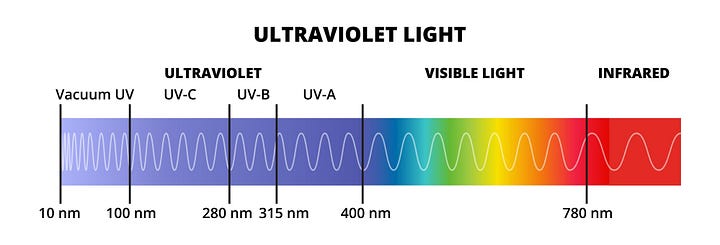
UV cameras (Ultraviolet cameras) are specialized imaging devices designed to capture light with wavelengths shorter than visible light, typically ranging from 10nm to 400nm. While we can’t see this light naturally, UV cameras translate these signals into images we can analyze, opening doors to science, security, and art.
How Does a UV Camera Work?
A standard digital camera is designed to block UV light because it can cause blurriness or “purple fringing” in normal photos. A UV camera, however, is built with sensors and lenses specifically optimized to detect ultraviolet radiation.
Direct Answer: UV cameras work by using specialized sensors (often Back-Illuminated CMOS) and quartz or calcium fluoride lenses that allow UV light to pass through. They often use filters to block out all visible and infrared light, ensuring only the ultraviolet spectrum reaches the sensor.
Shutterstock
Explore
Types of UV Imaging
Depending on what you are trying to see, UV cameras are generally categorized by the specific “band” they capture:
- Near-UV (UVA): 300nm — 400nm. This is the most common type used in forensic science and art conservation.
- Deep UV (UVC/UVB): 200nm — 300nm. Primarily used in industrial settings, such as detecting corona discharges on power lines.
- Extreme UV (EUV): 10nm — 124nm. Used almost exclusively in solar physics and high-end semiconductor manufacturing.
Top Applications of UV Cameras
1. Electrical Inspections (Corona Detection)
High-voltage power lines can leak electricity into the surrounding air, a phenomenon called “Corona Discharge.” This is invisible to the naked eye but glows brightly in the UV spectrum. UV cameras allow engineers to find these leaks before they cause a massive power failure.
2. Forensics and Crime Scene Investigation
UV light is a staple in CSI. It can reveal bodily fluids, fingerprints on multi-colored surfaces, and even signs of physical struggle (like bruises) that have faded to the visible eye but remain detectable under UV.
3. Skin Care and Dermatology
UV cameras are frequently used in the beauty and medical industries to show sun damage. These cameras reveal “hidden” freckles and pigmentation deep within the skin layers that aren’t visible yet, serving as a powerful tool for skin cancer prevention.
4. Environmental and Solar Research
NASA and other space agencies use UV cameras to monitor the sun. Because the sun emits massive amounts of UV radiation, these cameras help scientists track solar flares and atmospheric changes that could affect Earth’s satellite communications.
Choosing the Right UV Camera: What to Look For
If you are looking to invest in UV imaging technology, keep these three factors in mind:
- Lens Material: Standard glass lenses block UV light. Look for Quartz or Sapphire lenses to ensure the light actually reaches the sensor.
- Sensor Sensitivity: Ensure the camera has a high “Quantum Efficiency” (QE) in the UV range. Many standard sensors “fall off” and become blind once you move below 350nm.
- Bandpass Filters: To get a “pure” UV image, you need high-quality filters that block out 99% of visible light, otherwise, your image will be washed out by normal light.
Frequently Asked Questions (FAQs)
Can a normal camera be turned into a UV camera?
Yes, through a process called Full-Spectrum Conversion. A technician removes the internal UV/IR blocking filter from a DSLR or mirrorless camera. However, you will still need specialized UV-passing lenses to get clear results.
Are UV cameras dangerous to use?
The camera itself is not dangerous. However, the UV light sources (like UV lamps) used to illuminate a subject can be harmful to your eyes and skin. Always wear UV-rated safety goggles when working with artificial UV illumination.
Why are UV camera lenses so expensive?
Standard camera lenses use multiple layers of glass and coatings that absorb UV. UV-transparent materials like synthetic quartz are much harder to manufacture and polish, leading to a higher price tag.
Can UV cameras see through clothes?
No. This is a common myth. While some infrared (IR) light can pass through certain thin synthetic fabrics, ultraviolet light is actually more easily absorbed and scattered by materials than visible light.
The Future of UV Imaging
From detecting counterfeit currency to helping autonomous vehicles see through heavy fog, the applications for UV cameras are expanding every day. As sensor technology becomes cheaper and more accessible, we expect to see UV imaging integrated into more handheld devices and consumer health tools.
Are you ready to see the world in a different light? Whether for industrial safety or creative photography, a UV camera is the ultimate tool for revealing the world’s hidden details.
Looking for more technical insights on specialized sensors? Check out our other blogs on thermal imaging and infrared technology!
Expert Guide: Are you looking for a UV camera for a specific professional use like electrical inspection, or are you interested in the artistic side of UV photography?

Comments
Post a Comment